
Write the problem
Name the user or setting, the constraint, the evidence you need, and what is out of scope.
Launching in 2026–27. Founding members and student leaders are welcome.
Tell us what interests youThe briefs below are proposals. Founding members will choose the first projects based on interest, available tools, safety, mentorship, and what can realistically be finished.
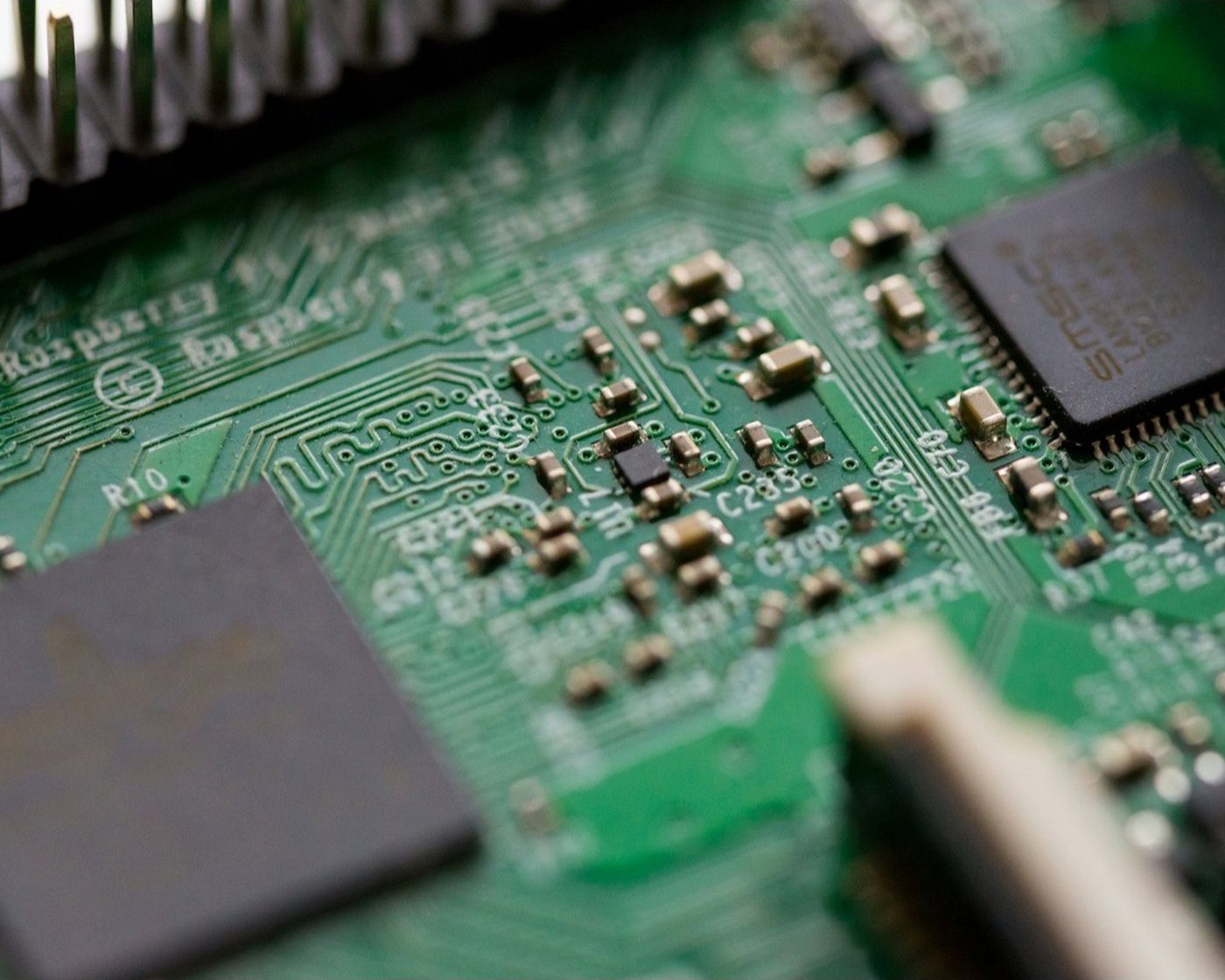
You can contribute through electronics, programming, fabrication, CAD, research, testing, accessibility, writing, photography, or project coordination.
The versioned project briefs are loading.
The process should be light enough for students to use and clear enough that a project can continue after one person graduates.
Name the user or setting, the constraint, the evidence you need, and what is out of scope.
Choose a version that can answer one important question before the team commits to a larger design.
Save measurements, failures, photos, code, design files, and the decisions that changed the direction.
Demonstrate the result, publish a short build note, and explain what another team should try next.
A good proposal can be technical, social, environmental, artistic, or accessibility-focused. It should explain who benefits, what would be tested, and what a small first version might look like.
Do not worry about having every skill. A project brief is also a way to find people with the skills you are missing.